
Key Legislation
In 1938, the Fair Labor Standards Act was passed with the following key components:
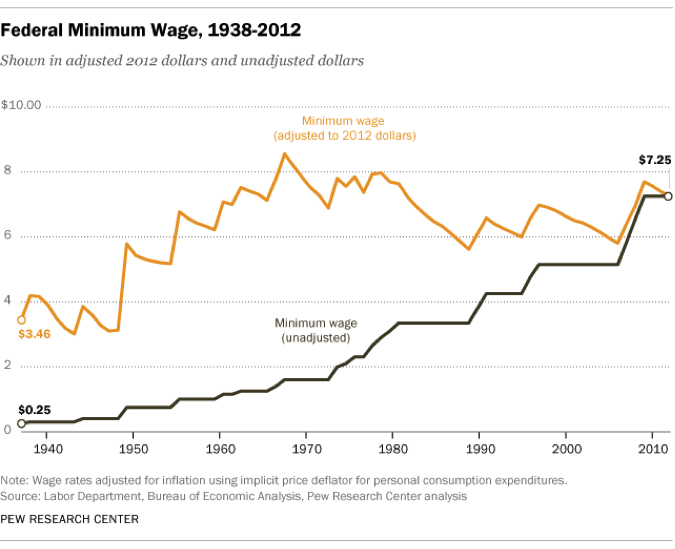
- National minimum wage raised to 25 cents
- 44 hour work week
- Time and a half for overtime
- Restrictions on child labor
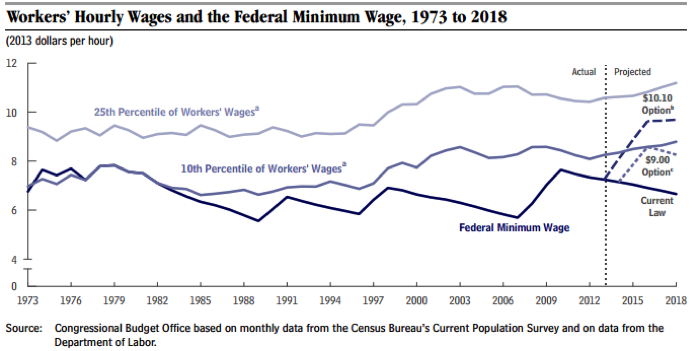
The law applied to about 20% of the labor force (i.e., jobs dealing with commerce). However, it was not a practical way of increasing minimum wage with inflation.
In order to strengthen and fix issues of the previous Act, the Equal Pay Act was created in 1963. It's components included:
- A ban on discrimination on sex when substantially equal work is done
- Equal work was definied as equal skill, effort, responsibility, and working conditions
The Act did not apply when a seniority or merit system was in effect, but did it include many who were excluded by the Fair Labor Standards Act.
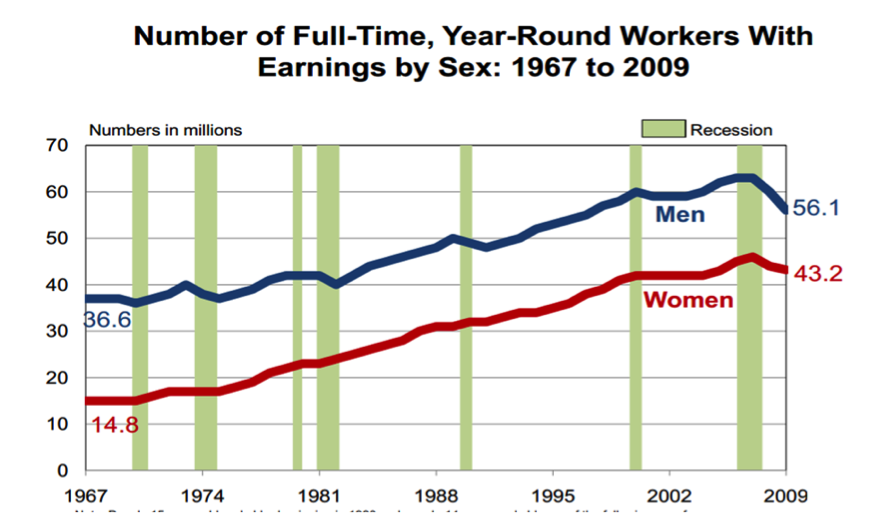
Statistics show that the wage gap still is not completely diminished, so President Obama
is proposing the Paycheck Fairness Act, which is a comprehensive bill that updates and strengthens the Equal Pay Act of 1963. It includes:
- Employers must prove that wage differences are based on factors other than sex.
- Prohibits retaliation against workers who disclose their own wages or ask about employer's wage practicies
- Strengthens penalties for equal pay violations
- Challenge double stnandard that leaves women making less money.
- Requires companies to take more responsibility when determining wages.
- Employees given the ability to share salary inofrmation
- Puts gender-based discrimination on equal footing with other forms of wage discrimination
- Will close loopholes and strengthen already existing equal pay laws
The Department of Labor will assist employers and collect wage-related data. Additional training will be given to Equal Opportunity Commission staff regarding wage disputes.