
General Information
The DREAM Act, or the Development, Relief, and Education for Alien Minors Act legislation was first introduced in 2001 by Republican Senator Orrin Hatch and Democratic Senator Richard Durbin. Over the past thirteen years the act itself still has not been passed, although passages have been reincorporated into other bills. The DREAM Act itself has evolved from its original legislation by editing certain articles, such as removing the in-state tuition provision, but is yet to be passed. It was first introduced under President George W. Bush’s administration, but has continued to be discussed despite not being passed.


Orrin Hatch (left) and Richard Durbin (right)
Current DREAM Act legislation:
-based on bill introduced to Congress by Senator Durbin and Representative Howard Berman
-If passed, it would allow for aliens who meet the requirements to apply for Conditional Permanent Residency, then for Legal Permanent Residency, and finally full citizenship.

Howard Berman
Requirements under the DREAM Act:
■ Must have entered the United States when they were 15 or younger
■ Must have been present in the United States for at least five consecutive years prior to enactment of the bill
■ Must have graduated from a United States high school, or have obtained a GED, or have been accepted into an institution of higher education (i.e. college/university)
■ Must be between the ages of 12 and 35 at the time of application
■ Must have good moral character
-Then, he or she must continue their studies for at least two years with the intent of pursuing a bachelor’s degree or higher, or serve in one of the U.S. military branches for at least two years. This leads to a six-year entitlement of residence in the U.S.
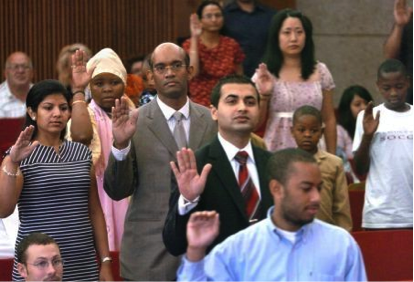
-If requirements are not met, the individual may be subject to deportation.